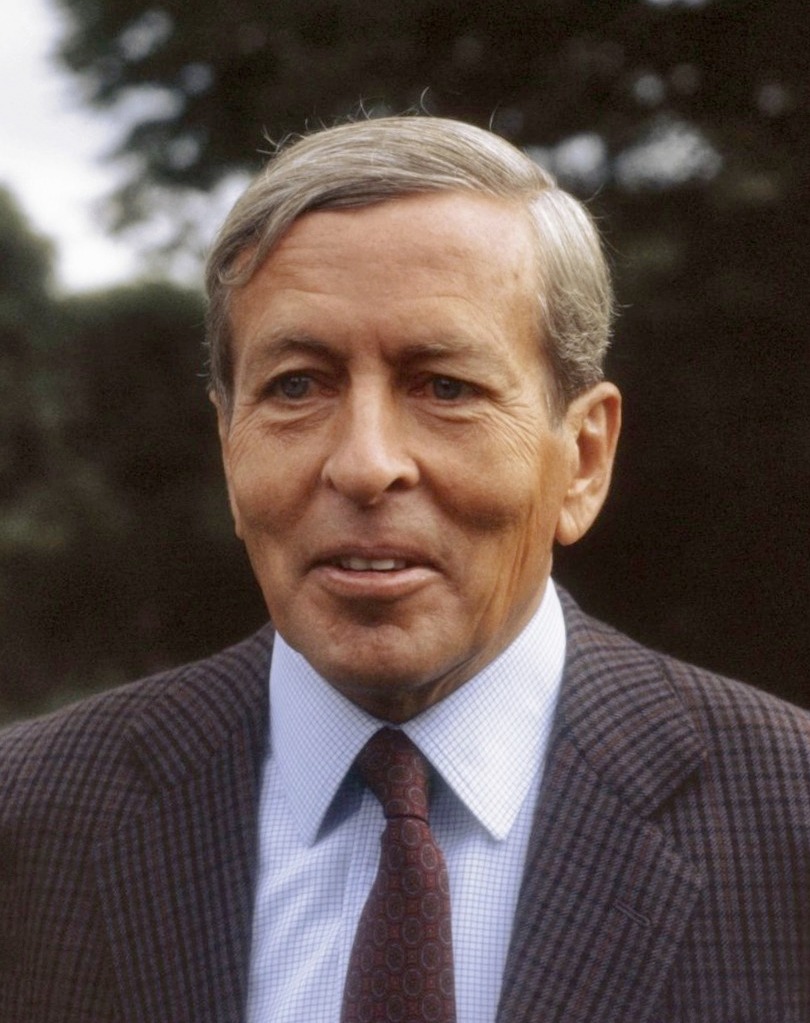
Prins Claus: Overcoming Skepticism to Win Dutch Hearts
The passing of His Royal Highness Prins Claus on October 6, 2002, was met with a profound outpouring of national grief across the Netherlands. Municipalities like Papendrecht swiftly opened condolence registers, allowing citizens to express their sorrow and respect for a man who, despite a controversial beginning, had unequivocally captured the hearts of the Dutch people. Flags flew half-mast, bells tolled solemnly, and official festivities were cancelled – a testament to the deep affection and admiration Prins Claus had cultivated over decades. Yet, his journey to this beloved status was far from straightforward, marked by an initial wave of intense skepticism and even hostility.
A Controversial Beginning: The Royal Wedding and Public Scrutiny
Born Claus Georg Willem Otto Frederik Geert von Amsberg in Hitzacker, Germany, on September 6, 1926, Prins Claus hailed from an aristocratic German family. His German background, particularly in the shadow of World War II, became a significant point of contention when his engagement to then-Crown Princess Beatrix was announced. For many Dutch citizens, the wounds of occupation and conflict were still fresh, making the prospect of a German prince-consort deeply unsettling.
The initial public reaction was turbulent. The announcement of the wedding in 1966 sparked widespread protests, particularly in Amsterdam. Demonstrations, sometimes violent, reflected the deep-seated reservations of a nation still grappling with its wartime past. He was, as one poet vividly described, "welcomed with violence and hatred," perceived as a "stranger amidst a people that did not ask what he himself thought." This period presented an immense challenge not only for Prins Claus personally but also for the Dutch monarchy, which had to navigate a delicate balance between tradition, love, and public sentiment.
The Quiet Revolution: How Prins Claus Won the Nation's Heart
Despite the daunting initial reception, Prins Claus embarked on a quiet, yet powerful, revolution of public perception. He did not confront the animosity with anger or defensiveness but with an unwavering dignity, discretion, intelligence, and a subtle, often self-deprecating, humor. His calm demeanor and genuine sincerity slowly began to chip away at the walls of prejudice.
Prins Claus dedicated himself fully to his role as prince-consort, demonstrating a deep commitment to social issues and development cooperation. He became known for his engaging speeches, which often combined seriousness with a light touch, and his ability to connect with people from all walks of life. His societal involvement was not merely ceremonial; he genuinely engaged with the causes he championed, earning respect for his thoughtful contributions and progressive views, particularly on environmental issues and mental health. His authentic approach and dedication gradually transformed public sentiment, proving that actions and character could speak louder than historical grievances. By the time Beatrix ascended to the throne in 1980, granting him the title Prince of the Netherlands, he had largely transitioned from an unwelcome foreigner to a cherished national figure. This transformation stands as a powerful testament to the impact of genuine personality and steadfast commitment in the face of adversity.
A Guiding Light: Prins Claus's Influence on Family and Monarchy
At the heart of Prins Claus's life was his enduring and loving marriage to Princess Beatrix. Their union, solemnized on March 10, 1966, proved to be a source of immense strength and stability for the royal family and, by extension, the nation. Together, they forged a warm and grounded family life, raising three sons: King Willem-Alexander (born in 1967), Prince Friso (1968–2013), and Prince Constantijn (born in 1969).
Prins Claus played a particularly significant role in the upbringing of his eldest son, Willem-Alexander. He instilled in him the crucial values of humility, duty, and humanity, constantly reminding the future monarch of the importance of staying "normal" despite his royal status. Willem-Alexander has often spoken openly about his father's profound influence, crediting him with shaping his character and providing a solid moral compass. Prins Claus's guidance helped Willem-Alexander understand that true leadership comes from connection with the people, not just from position. This emphasis on approachability and groundedness significantly contributed to the modern image of the Dutch monarchy. To delve deeper into this profound connection, you might find valuable insights in
Prins Claus's Legacy: Shaping King Willem-Alexander's Character.
The Enduring Legacy: Remembering a Beloved Prince
In his later years, Prins Claus faced significant health challenges, struggling openly with depression and Parkinson's disease. His willingness to speak candidly about his battles further endeared him to the Dutch public, demonstrating his humanity and vulnerability. It fostered a deeper sense of empathy and connection, making him an even more relatable and respected figure. His public struggles highlighted his strength of character and contributed to a more open dialogue about mental health within Dutch society.
When the news broke of the
overlijden Prins Claus (passing of Prins Claus) in October 2002, the sorrow was palpable across the nation. The official protocols for mourning, including the half-masting of flags and the specific instructions for bell-ringing, underscored the profound national loss. Citizens flocked to condolence registers, turning out in vast numbers to pay their respects and mourn a man who had transcended initial prejudice to become a genuinely beloved member of the royal family. His funeral and burial in the royal family vault were national events, marking the end of an extraordinary life.
Prins Claus's legacy is one of courage, resilience, and quiet strength. He proved that genuine character and dedicated service could overcome even the most deeply ingrained prejudices. His personal qualities – his intelligence, his discretion, his warmth, and his commitment to the well-being of others – fundamentally changed the perception of the monarchy and set a new standard for royal spouses. He leaves behind not just a family, but a nation profoundly touched by his spirit. For further details on the solemn period of national mourning, consider reading
Dutch Mourning Prins Claus: Official Protocol & Public Condolences.
In conclusion, Prins Claus's journey from a controversial German prince to a revered Dutch royal is a compelling story of perseverance and the power of human connection. He navigated a challenging path with grace, winning hearts through authenticity, humor, and an unwavering commitment to his role and the people he served. His life remains an inspirational testament to overcoming adversity and leaving an indelible, positive mark on a nation.